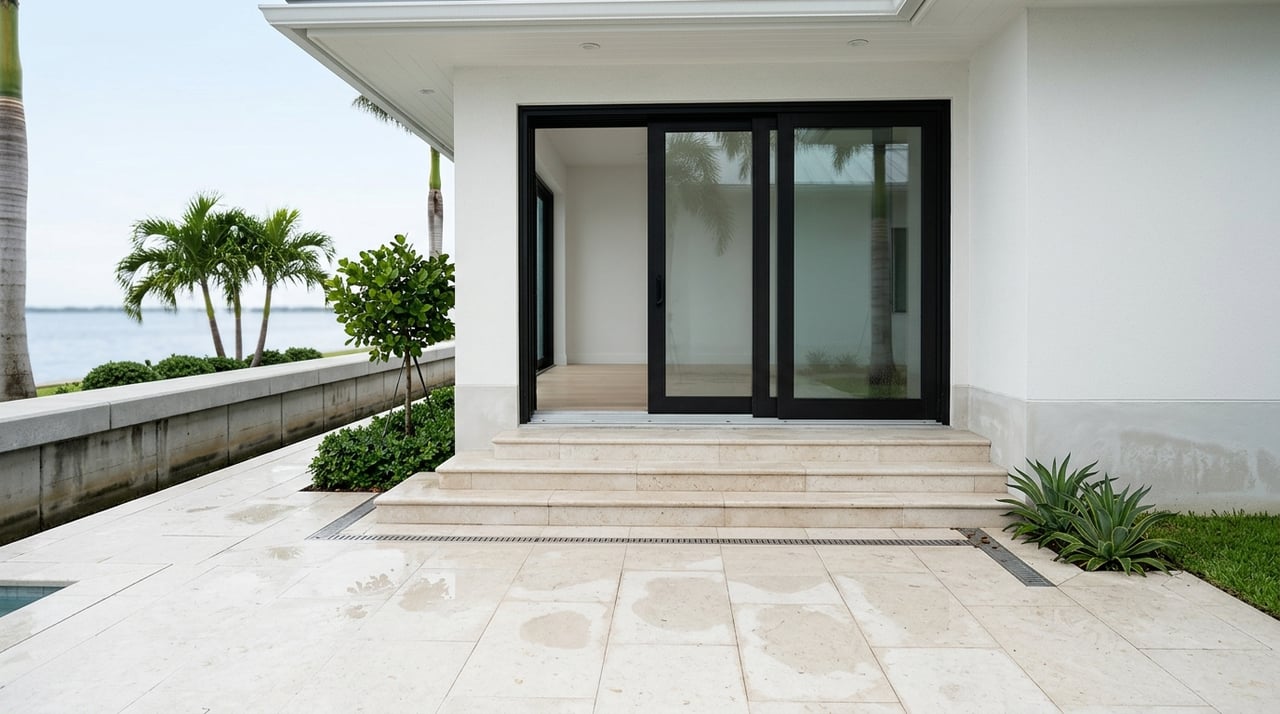
Guide to Fort Lauderdale Waterfront Insurance & Resilience
March 26, 2026
March 26, 2026
Waterfront living in Fort Lauderdale is unmatched, but flood zones, insurance, and seawall rules can feel complex fast. You want clear guidance on true risk, carrying costs, and the smartest upgrades to protect long-term value. In this guide, you’ll learn how to read flood maps, what Risk Rating 2.0 means for your premium, how the seawall ordinance may affect a purchase, and which resilience moves often pay off. Let’s dive in.
Flood zones affect lending, insurance, and building rules. In coastal areas, VE or V zones indicate coastal wave action and typically carry the strictest standards. AE zones mark the 1 percent annual chance floodplain and show base flood elevations. AO, AH, and X zones range from shallow flooding to minimal risk; lenders usually require flood insurance for AE, VE, AO, and AH.
Beyond the zone letter, today’s pricing focuses on property-level risk. Your first-floor height, distance to water, and foundation type can all influence your premium and risk profile. That is why two nearby waterfront homes can have very different costs.
Start with the Broward County interactive flood-zone viewer, which shows the effective July 31, 2024 maps and the older layer for comparison. It is the fastest way to see a parcel’s current designation and, if mapped, the base flood elevation. Review how the site’s status changed under the remap and note if it now sits in a Special Flood Hazard Area. Use the county’s viewer here: Broward County interactive flood‑zone map.
Go to FEMA’s Flood Map Service Center to view the official FIRM panel and Flood Insurance Study. Download the panel PDF so you can reference the map index, panel number, and any BFEs shown. Here is the portal: FEMA Flood Map Service Center.
If a lender or insurer requests it, order an Elevation Certificate from a licensed surveyor or engineer. Even under Risk Rating 2.0, an EC can improve rating accuracy, help lower a quote in some cases, or support a future map change request. See FEMA’s guidance on EC use in the NFIP Flood Insurance Manual.
If natural ground or the structure sits above the mapped base flood elevation, you can pursue a Letter of Map Amendment or Revision Based on Fill. A surveyor typically prepares the supporting data and submittal. Learn the process through FEMA’s LOMA and LOMR‑F resource.
FEMA’s Risk Rating 2.0 prices NFIP policies by individual property risk, not only by zone. Factors such as distance to water, first-floor height, foundation type, and building replacement cost now matter more. Review FEMA’s summary of how inputs affect pricing in Risk Rating 2.0: Equity in Action.
Fort Lauderdale participates in FEMA’s Community Rating System as a Class 7 community, which provides about a 15 percent NFIP discount for policies in SFHAs. This is a real, recurring premium benefit that can improve carrying costs across the city. You can read more on the city’s Community Rating System page.
When you shop coverage, request quotes from both NFIP and private flood insurers. Confirm each quote’s inputs, coverage limits, and any lender requirements. Ask how an EC or mitigation improvements could change your premium.
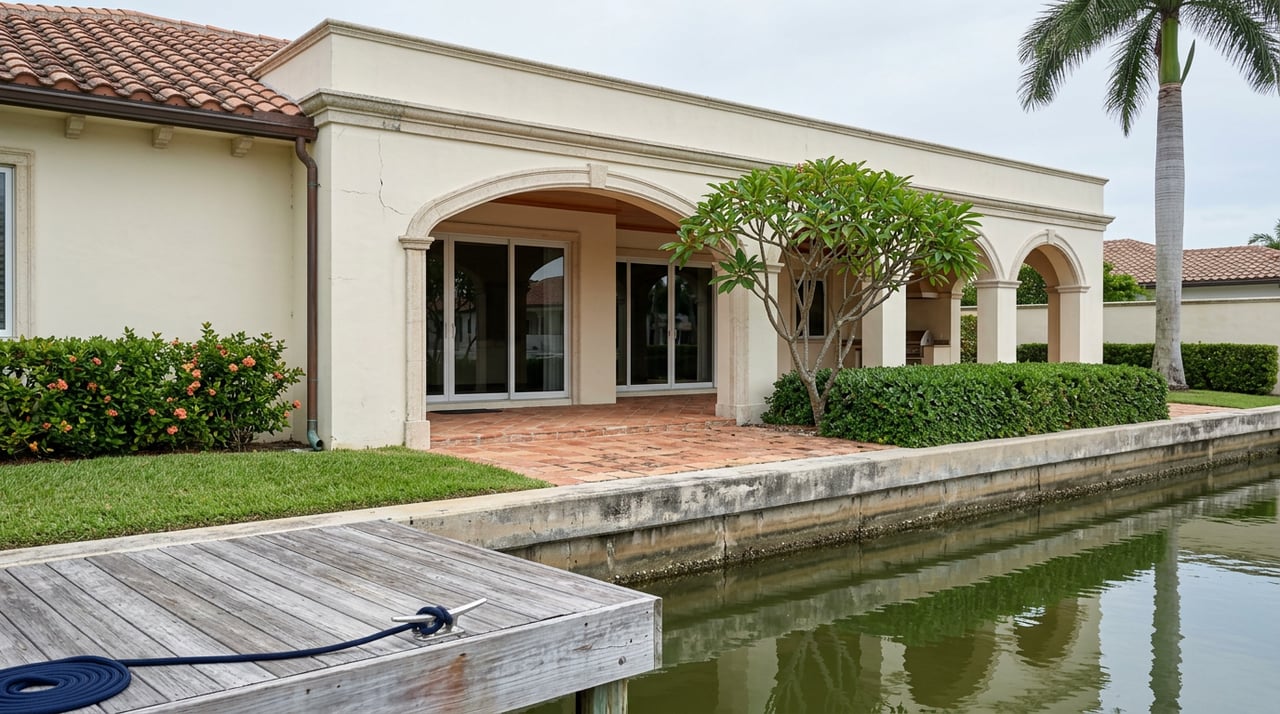
On March 23, 2023, Fort Lauderdale adopted a tidal‑barrier and seawall ordinance that raises minimum top‑of‑bank elevations and aligns city rules with Broward County’s regional standard. New or substantially repaired seawalls must meet the standard, and contracts for tidally influenced properties require disclosures. Review the adopted changes here: Fort Lauderdale tidal‑barrier ordinance.
Seawall projects often involve multiple agencies. Depending on location and scope, you may need city, county, and potentially state or federal permission before work starts. For planning and contacts, see the city’s Floodplain Management Plan resources.
Planning-level studies suggest average seawall replacement around roughly 1,320 dollars per linear foot and raising at about 120 dollars per linear foot. These are regional estimates used in resilience analyses. Actual costs vary by site conditions, materials, and permitting, so get local, written bids. See the regional business-case context here: Southeast Florida Business Case for Resilience.
Targeted mitigation can reduce damage, support better insurance outcomes, and enhance marketability:
If a structure is substantially damaged by a flood, NFIP’s Increased Cost of Compliance coverage can help fund elevation or other compliance measures, up to program limits. Ask your insurance professional how ICC could apply to your scenario.
In prestige waterfront enclaves like Harbor Beach, Bay Colony, and Coral Ridge, buyers often balance deepwater access and views against long-term resilience and insurance costs. Two neighboring homes can sit in different zones or have different first-floor heights, which can shift quotes and lender requirements. A current EC, seawall records, and recent map printouts help you compare apples to apples. The right data reduces surprises and supports stronger negotiations.
Request these items early in the process:
Ask these questions of your insurance professional:
Consult these specialists when needed:
Academic research finds that flood risk and major events are reflected in home prices over time, though effects vary by event history, neighborhood, and timing. Waterfront amenities often carry premiums, but clear information about risk, insurance, and resilience investments can change buyer behavior. In short, transparency plus targeted mitigation supports confidence and protects value. For a representative study on price capitalization of flooding, see this peer‑reviewed research.
Buying or selling Fort Lauderdale waterfront is about matching the lifestyle you want with the risk and cost profile that fits your goals. With the right diligence, you can secure the views and boating access you love while managing premiums and future capital needs. If you want tailored guidance on maps, insurance, seawalls, and value strategy, connect with Gilles Rais for a private consultation.

CEO Founder
With a career spanning over 25 years in the community and 16 years as a Real Estate Agent, Gilles has amassed a wealth of market knowledge that is second to none. He has his finger on the pulse of the industry, always staying one step ahead of the game and ensuring that his clients have the upper hand in every transaction.
Stay up to date on the latest real estate trends.




The Gilles Rais Fine Homes Team are dedicated to helping you find your dream home and assisting with any selling needs you may have. Contact us today to start your home searching journey!