
Navigating Discreet And Off-Market Sales In Bay Colony
April 23, 2026
April 23, 2026
If you are thinking about selling in Bay Colony, you may want results without the spotlight. In a guard-gated waterfront setting where privacy, access, and timing matter, a fully public listing is not always the first move. The good news is that you have options, and with the right strategy, you can protect discretion while still reaching qualified buyers. Let’s dive in.
Bay Colony is recognized by the City of Fort Lauderdale as a distinct local area, and recent waterfront listing descriptions highlight features that shape how many owners prefer to sell: a guard-gated entrance, 24-hour armed security, and deep-water, no-fixed-bridge access. Those details help explain why privacy can be a meaningful part of the sales plan, especially for owners who want more control over who knows their home is available. You can see the neighborhood reference in the City of Fort Lauderdale GIS neighborhood legend.
In a setting like this, discretion is often less about secrecy for its own sake and more about control. You may want to limit casual traffic, manage how photos and property details circulate, and make sure only serious, financially capable buyers move forward. That is a practical concern in any luxury sale, and it becomes even more relevant when a home’s value is tied to specific waterfront features.
The phrase “off-market” can mean a few different things, so it helps to separate the options. According to the NAR Consumer Guide to alternative listing options, sellers who want less exposure may choose exempt listing strategies that reduce or delay broad public marketing.
One option is an office exclusive. In that setup, the property is not shared on an MLS or publicly marketed, and it is available only through agents at the listing broker’s brokerage. Another option is a delayed marketing exempt listing, where the property is entered into the MLS but withheld from IDX and syndication for a set period.
These paths are seller-directed, but they come with tradeoffs. NAR notes that sellers who choose these options sign a disclosure acknowledging that they are waiving some of the benefits of MLS and public-market exposure. In plain terms, you gain privacy and control, but you may reach a smaller pool of buyers at first.
In the Miami and SEFMLS system, the seller authorization form for office exclusives states that the seller is instructing the broker to delay or avoid SEFMLS distribution, while also recognizing that the seller may later direct the broker to enter the listing into SEFMLS. The same source notes that office exclusive status does not remove other MLS-related obligations. You can review that framework in the SEFMLS office exclusive seller authorization form.
That matters because a quiet launch should still be a structured launch. It is not a shortcut or a casual arrangement. It should be a deliberate plan that reflects your goals, your timeline, and your willingness to trade broader exposure for more privacy at the start.
The same SEFMLS update also notes that coming-soon listings can run for up to 21 days, with no showings or open houses during that period. Depending on your situation, that can offer a middle ground between complete privacy and full public exposure.
There are several valid reasons to keep a sale more private. NAR and Florida Realtors point to motivations such as personal privacy, a quicker transaction, reducing the number of strangers walking through the home, or testing pricing before a wider rollout. Florida Realtors also notes that non-MLS listings, often called pocket listings, are not illegal or unethical when directed by the seller, though they can create added complications. Their guidance emphasizes that the agent should carefully assess whether staying out of the MLS is truly in the seller’s best interest. You can read that perspective from Florida Realtors here.
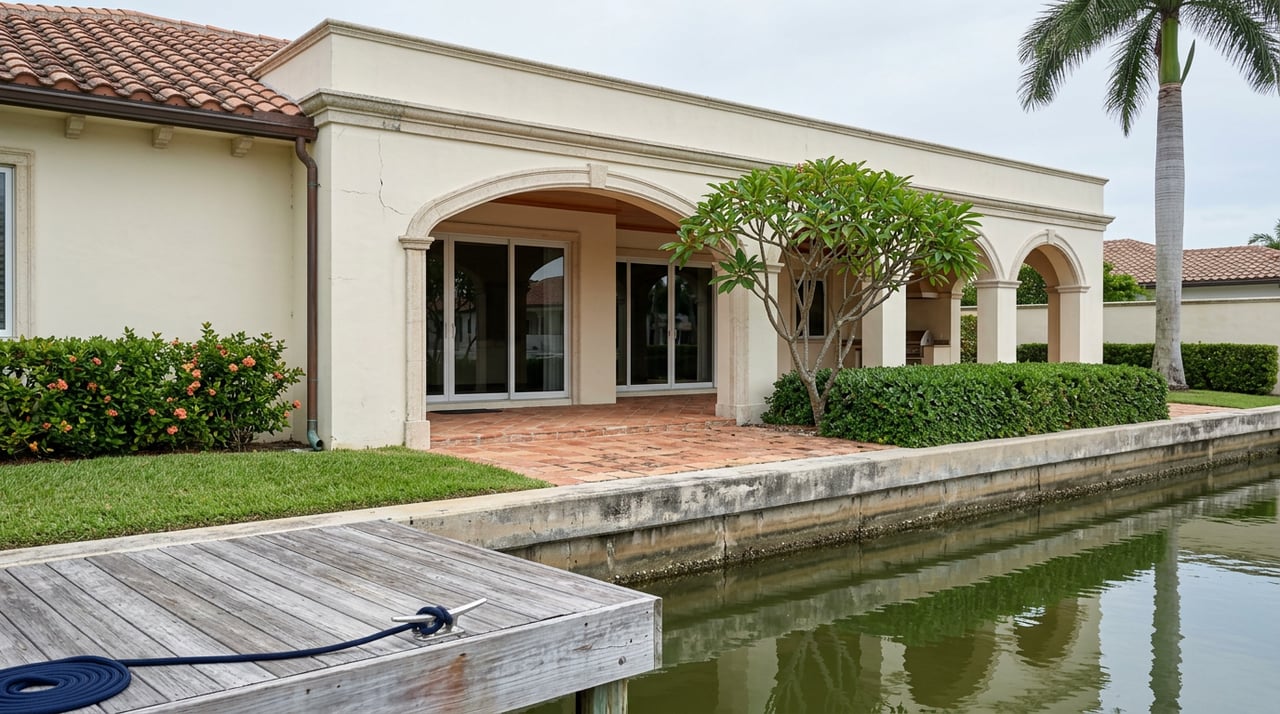
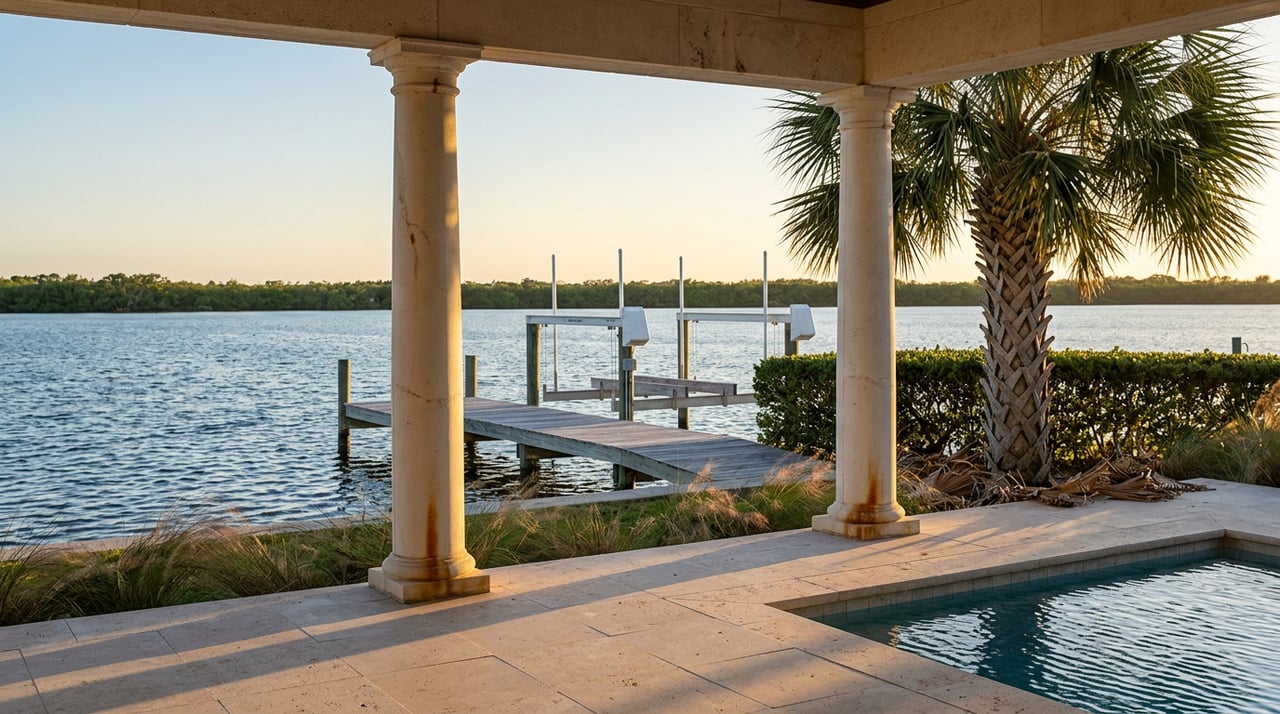
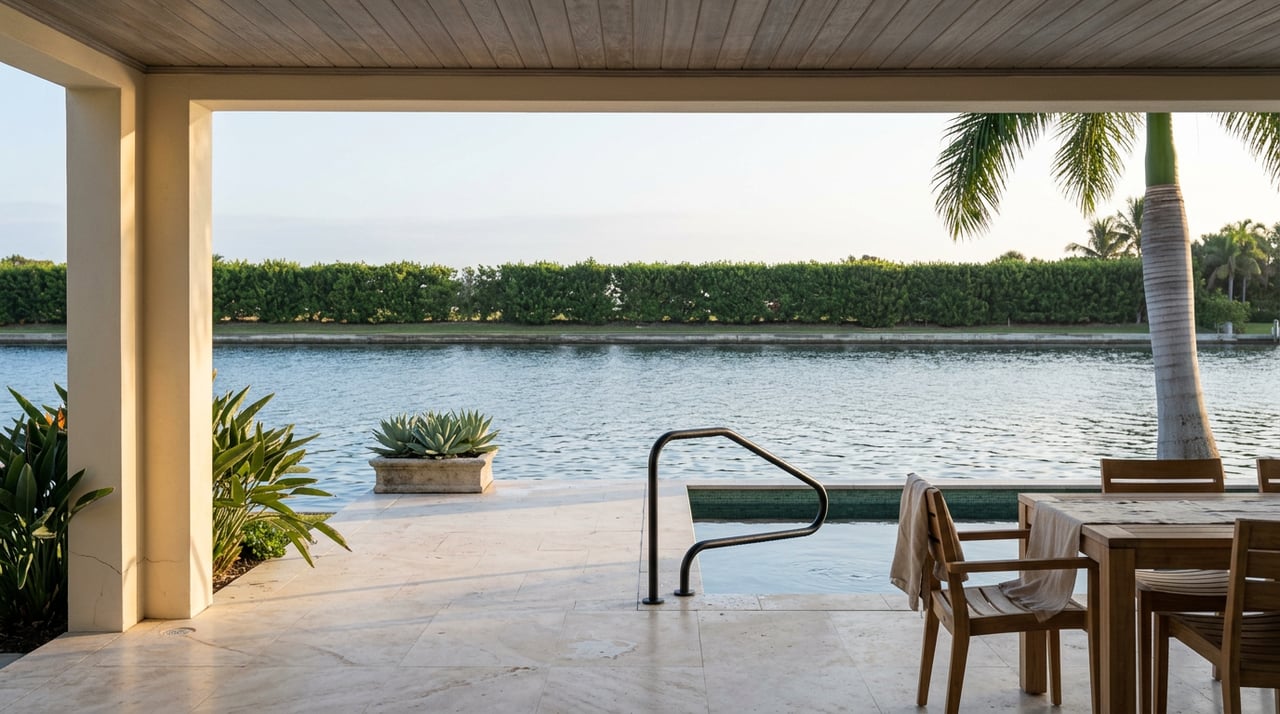
For a Bay Colony owner, these reasons often feel especially practical. If your property includes straight-line dockage, a seawall, or quick ocean access with no fixed bridges, you may prefer to discuss those details with informed buyers instead of broadcasting them widely. That type of sale often benefits from a more selective process from the start.
A discreet sale can work well, but privacy is not free. NAR emphasizes that MLS exposure helps sellers reach the largest pool of prospective buyers, which can support stronger competition and, in some cases, stronger terms. That means the core question is not whether off-market is good or bad. The real question is whether it fits your priorities better than a fully public launch.
If your top goal is maximum reach, broad MLS exposure may be the stronger path. If your top goal is control, limited visibility, and a highly screened process, a private launch may make more sense. In many cases, the best strategy is phased: begin with a controlled exposure plan, then expand if needed.
In Bay Colony, discretion only works if the buyer pool is well qualified. A private sale should not mean vague outreach. It should mean targeted outreach to buyers who are financially prepared, understand waterfront ownership, and can move within the seller’s preferred timeline.
NAR’s guidance on offer handling makes clear that the seller decides how offers are managed and may seek the best offer or the best terms. In a discreet setting, that usually means looking beyond price alone. A strong buyer often brings financial strength, fewer friction points in contingencies, a workable closing schedule, and respect for confidentiality. NAR’s offer guidance is available in its guide to multiple-offer negotiations.
For waterfront properties, screening also helps confirm fit. A buyer who understands dockage, access, and the practical realities of owning on the water is often better positioned to act decisively after a private showing.
Off-market does not mean unmarketed. NAR explains that buyers for office-exclusive listings may be found directly through the listing firm, while delayed-marketing listings can still be promoted in controlled ways that fit the seller’s needs. Those may include the broker’s own website, yard signs, and other selective touchpoints, depending on the listing structure. You can find that in the 2025 NAR consumer guide on alternative listing options.
This is where strategy matters most. Instead of broadcasting the home everywhere at once, the process can focus on a curated network, direct conversations, and intentional presentation. For the right property, that can create a sense of exclusivity while preserving the seller’s privacy.
A discreet sale should feel organized from day one. NAR notes that sellers often want inquiries screened by the broker and that listing content must be managed carefully to avoid a loss of privacy. That includes how photos, floor plans, showing instructions, and property details are shared. Their perspective on this is outlined in NAR’s guidance on managing listing content.
In practice, a controlled process often includes:
That last point is important. A discreet launch should always include a backup plan. If the private channel does not produce the right buyer or terms, you should know in advance when and how to expand the marketing strategy.
Not every Bay Colony home should start off-market, but some clearly benefit from it. A discreet approach may be worth considering if you:
The key is making that decision with full awareness of the tradeoff. You are not just choosing a marketing style. You are choosing how much visibility, competition, and control you want at each stage of the sale.
The best discreet-sale strategies are never one-size-fits-all. They start with your goals: privacy, price, timing, certainty, or some combination of all four. From there, the plan should define how the home will be positioned, who will be invited into the process, and when to widen the exposure if the first phase does not deliver the right result.
In a micro-market like Bay Colony, that level of planning matters. Waterfront properties are nuanced, and the strongest outcomes often come from matching the right buyer to the right property with the right amount of visibility. If you want a sales strategy that protects privacy without losing sight of market realities, Gilles Rais can help you evaluate whether a discreet or off-market approach fits your goals.

CEO Founder
With a career spanning over 25 years in the community and 16 years as a Real Estate Agent, Gilles has amassed a wealth of market knowledge that is second to none. He has his finger on the pulse of the industry, always staying one step ahead of the game and ensuring that his clients have the upper hand in every transaction.
Stay up to date on the latest real estate trends.





The Gilles Rais Fine Homes Team are dedicated to helping you find your dream home and assisting with any selling needs you may have. Contact us today to start your home searching journey!